
Quiet in a Weekend: DIY Acoustic Ceiling Panels That Actually Work

This weekend, we’re rolling up our sleeves to build DIY acoustic ceiling panels to quiet a room in one weekend. Expect clear guidance on safe materials, fast assembly, and a ceiling cloud layout that cuts echo, smooths harsh reflections, and makes conversations easier. Follow along, ask questions, and share your before‑and‑after recordings so our community can celebrate your transformation and help fine‑tune results for music, movies, work calls, or peaceful reading.

Know the difference: less echo versus blocking noise

Acoustic panels absorb reflections to reduce reverberation time and improve clarity; they don’t add heavy mass to stop sound traveling through floors or walls. That means voices sound closer and calmer, with fewer sharp reflections, yet loud bass from upstairs may still pass. Setting this expectation keeps you focused on speech intelligibility, listening comfort, and a quieter feel. If isolation is your goal, combine these panels with door seals, rugs, curtains, or future mass‑adding projects like additional drywall layers.

Gather reliable materials the pros trust

Choose rigid mineral wool or fiberglass boards around two inches thick for dependable absorption, wooden strips for frames, breathable fabric, construction staples, screws, and safe ceiling anchors rated for your combined weight. Add gloves, sleeves, eye protection, and a good dust mask for handling insulation. Keep a square, measuring tape, and utility knife nearby. A simple stapler, drill, and saw handle nearly everything. If you prefer eco options, look for recycled cotton batts, ensuring they remain breathable once wrapped.

Plan room coverage and a simple layout

Aim for approximately twenty to forty percent ceiling coverage, using a grid or staggered cloud pattern that fits lights and sprinklers. Leave a two-inch air gap above panels for stronger low‑mid absorption without extra material. Mark joists or anchor positions, then sketch placement on paper, noting panel sizes, walkway clearance, and symmetry. Measure twice, cut once, and label parts so assembly becomes a smooth flow. Invite household members to approve the pattern now to avoid redoing holes later.

Design That Delivers: Size, Thickness, and Placement
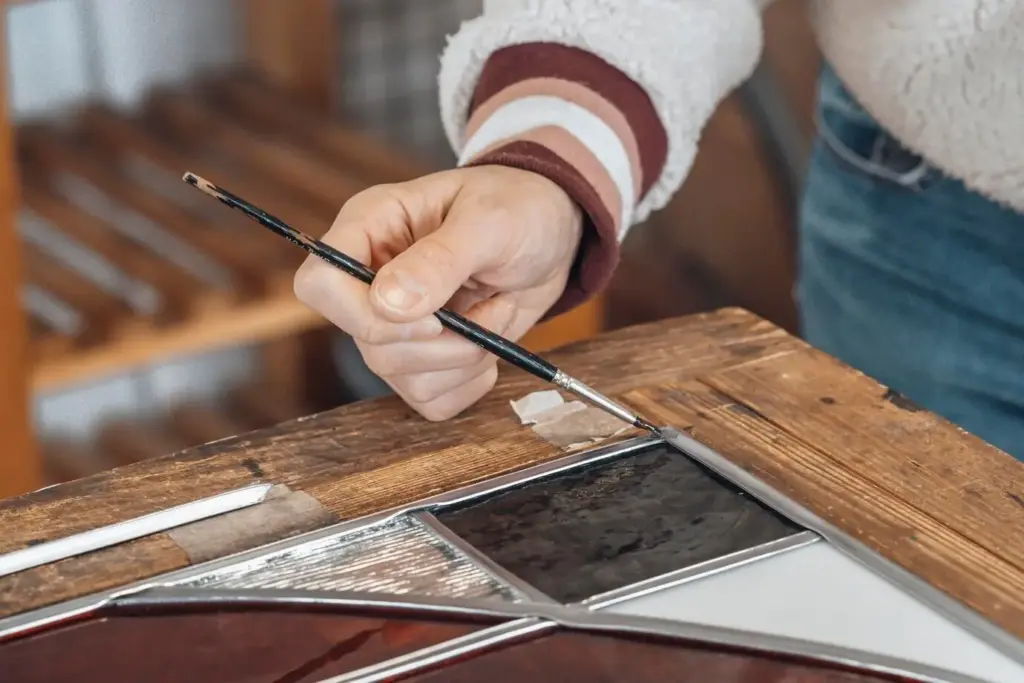
Good design multiplies the effect of every hour you invest. Standard two‑by‑four‑foot frames build quickly, cover real area, and look clean in a lined grid. Two‑inch cores with an air gap excel for speech and general listening; thicker builds help lower frequencies. Ceiling clouds capture early reflections and flutter, dramatically calming hard rooms with tile or drywall. We’ll pick sizes, plan spacing, and map a balanced layout that complements lights, sprinklers, ceiling fans, and architectural features without clutter or complication.

Pick sizes that cut waste and speed assembly

Two‑by‑four‑foot panels optimize standard board sizes, minimize cuts, and deliver a generous absorption footprint per unit. If your room is small, consider two‑by‑two squares for easier handling around fixtures and tight corners. Larger rooms benefit from repeating modules that align with furniture, projector screens, and ceiling lines. Keep frames slim so they appear weightless overhead. Decide early how many panels you need to reach your target coverage percentage, then purchase materials accordingly to avoid last‑minute hardware store runs.

Use air gaps to boost low‑frequency control

Leaving a gap equal to roughly the panel thickness between the ceiling and the absorber increases efficiency in the low‑mid range by placing the material where air particle velocity is higher. Instead of doubling thickness, suspend panels two to four inches down. You’ll gain smoother bass clarity, tighter dialogue, and less boominess without extra weight. Just ensure your anchors and hanging method are secure and rated, and verify clearances from sprinklers, HVAC diffusers, and recessed lighting to maintain safety.

Build Like a Weekend Pro: Frame, Fill, Wrap

This is the hands‑on fun. You’ll cut straight frames, secure corners, set the acoustic core, and stretch fabric for a crisp, tailored look. With simple tools and a few tricks, edges align neatly and staples disappear. We’ll cover safe handling of insulation, fabric selection for breathability, and quick fixes for puckers or sagging. Expect a satisfying rhythm: measure, cut, assemble, wrap, repeat. Turn on music, recruit a helper, and enjoy watching a stack of components transform into polished overhead clouds.

Mount with Confidence: Anchors, Cleats, and Safety

Hanging panels securely is just as important as building them. We’ll choose anchors rated for combined weight, respect sprinkler and fixture clearances, and verify that our ceiling surface—drywall, joists, or concrete—matches the hardware. Adjustable hanging methods make leveling painless and help with future rearrangements. You’ll learn when to use eye screws with cable, when French cleats shine, and how to hit framing for additional strength. A deliberate checklist prevents accidents, protects property, and keeps your weekend project stress‑free and satisfying.

Choose hangers for drywall, concrete, or wood

For drywall alone, use toggles or strap toggles with appropriate ratings. When possible, hit joists using wood screws and pilot holes. In concrete, install expansion or screw anchors rated for static overhead loads. Always sum panel weight, hardware, and a healthy safety margin. Keep hardware consistent to simplify leveling. If in doubt, consult manufacturer data sheets. A small, reliable selection—eye screws, aircraft cable, cable clamps, cleats, and toggles—covers most situations cleanly while keeping parts organized and predictable on installation day.

Hanging methods that stay adjustable and level

Suspending with cable or chain allows quick height tweaks for air gaps and alignment, especially across uneven ceilings. Install two to four suspension points per panel, then micro‑adjust until edges sit parallel and shadows look intentional. For a tighter profile, French cleats create a snug mount with easy removal for cleaning or fabric swaps. Mark level lines ahead of time, measure diagonals, and verify with a laser or long straightedge. Slow, careful adjustments now save hours of rework later.

Safety checks you should never skip

Confirm sprinkler codes and keep recommended distances to avoid obstructing water spray. Maintain clearance from recessed lighting and hot fixtures; when unsure, add heat shields or greater separation. Verify all anchors are fully expanded and seated. Tug‑test each hanger before moving on. Keep ladders stable with a spotter, and never reach beyond comfortable balance. Gather cables neatly, trim sharp ends, and cap them. Photograph the final hardware for future reference, and record anchor types and locations for maintenance or reconfiguration.

Measure the Improvement: Ears, Apps, and Data
Nothing motivates like proof. We’ll capture before‑and‑after clips, listen for clearer consonants and reduced slapback, and use phone apps to estimate reverberation time. Panels don’t change building isolation, but they strongly reduce in‑room energy decay, which lowers perceived loudness and fatigue. Expect faster clarity in conversations, smoother movie dialogue, and calmer meetings. Share your recordings or RT60 screenshots with our community to compare notes, celebrate progress, and learn small tweaks—like moving one panel—that yield surprisingly audible gains.

Style, Budget, and Care: Make It Last

Great sound should look great, too. We’ll choose breathable fabrics that complement your space, discuss fire‑safety considerations, estimate costs, and set a realistic weekend schedule. You’ll learn how to dust panels without fuzzing fabric, how to swap colors later, and how to keep mounts tight over time. Expect honest pricing, sensible shortcuts, and optional upgrades. As always, send questions, share photos, or ask for fabric opinions—our community loves helping you find the perfect balance between clean aesthetics and acoustic comfort.

Choose breathable fabrics and beautiful finishes

Pick open‑weave textiles so air—and sound—flows freely; if you can breathe through it, it likely works. Consider acoustic‑rated fabrics for extra confidence and flame‑retardant options where codes require. Color matters: darker tones hide ceiling shadows and blend hardware, while textured neutrals add warmth without glare. Test samples against your lighting to judge sheen and weave. Frame edges can be painted to match fabric, and hidden seams keep attention on the clean planes. Vote on swatches with friends for fun.

Weekend timeline, costs, and smart savings

Day one: shop, cut frames, assemble, and pre‑drill hang points. Day two: wrap, hang, and level. Budget depends on materials and size, but DIY typically beats commercial clouds by a wide margin. Save by choosing standard panel sizes, buying hardware in bulk, and using pre‑finished lumber. Splurge selectively on fabric you love; you’ll see it every day. Borrow tools to avoid new purchases. Share your final tally so others can plan realistically and discover local suppliers offering reliable, affordable options.

Maintenance, dust control, and long‑term safety

Gently vacuum with a brush attachment every few months, or use a lint roller for delicate weaves. Check anchors annually, retighten hardware, and confirm cable crimps remain secure. If a panel shifts, level it with minor adjustments rather than pulling anchors. Keep fabrics away from hot fixtures and follow local fire guidelines. When redecorating, re‑wrap panels instead of rebuilding—sustainable and cost‑effective. Log dates and steps so future you, or the next homeowner, understands the system’s history, safety margins, and upkeep schedule.

Fukupuxulixakumunolopa
Privacy Overview

This website uses cookies so that we can provide you with the best user experience possible. Cookie information is stored in your browser and performs functions such as recognising you when you return to our website and helping our team to understand which sections of the website you find most interesting and useful.