
Containment and Safety Setup
Create a tidy work zone using plastic sheeting, zipper entries, and painter’s tape to seal doorways and vents. Lay canvas drop cloths for traction, and use a dust extractor if you own one. Wear eye protection and a respirator rated for fine dust. Ceiling work is tiring, so set up a stable platform or adjustable scaffold and keep tools reachable, reducing fatigue and helping you maintain consistent pressure and smoother strokes overhead.
Tools, Materials, and Budget Overview
Gather self-adhesive fiberglass mesh tape, setting-type compound for embedding, premixed joint compound for skimming, a 6-inch knife, a 10 to 12-inch blade, a hawk or mud pan, sanding screens, primer, and flat ceiling paint. Add a bright work light, preferably raking across the surface. Budget for extras like plaster washers if keys are loose, and PVA or bonding primer if previous coats are chalky. Organized tools translate into calmer decisions under time pressure.
Timeline for a Confident Two-Day Turnaround
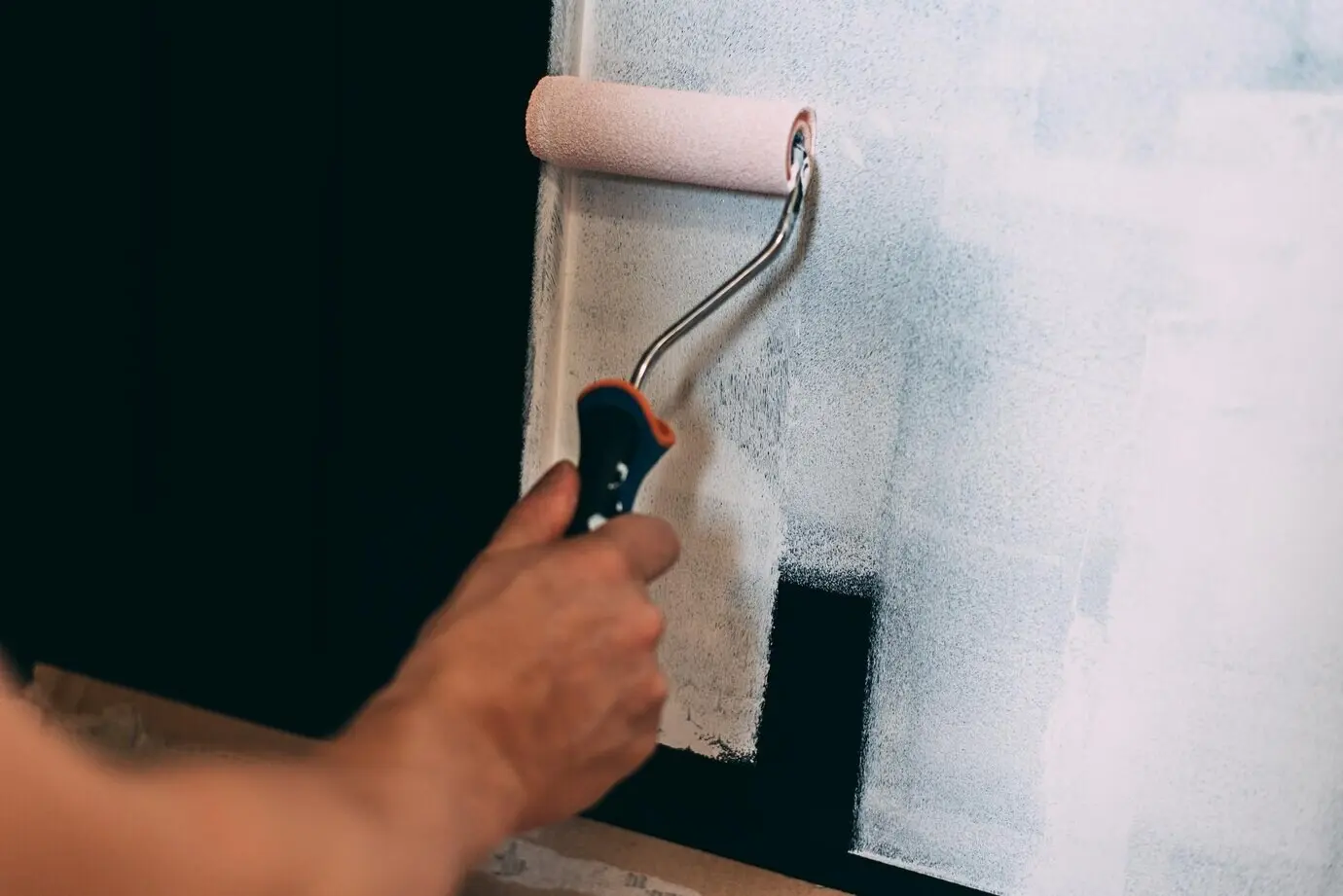
Day one focuses on containment, cleaning, crack stabilization, and embedding mesh with a setting compound that cures predictably. A light initial smooth may follow if time allows. Day two prioritizes broad skim coats, pinpoint filling, controlled sanding, and priming before the final paint. Build in drying buffers by using fans and dehumidifiers, and avoid rushing. If a coat needs more time, use that pause to tidy edges, organize tools, and review progress under angled light.