
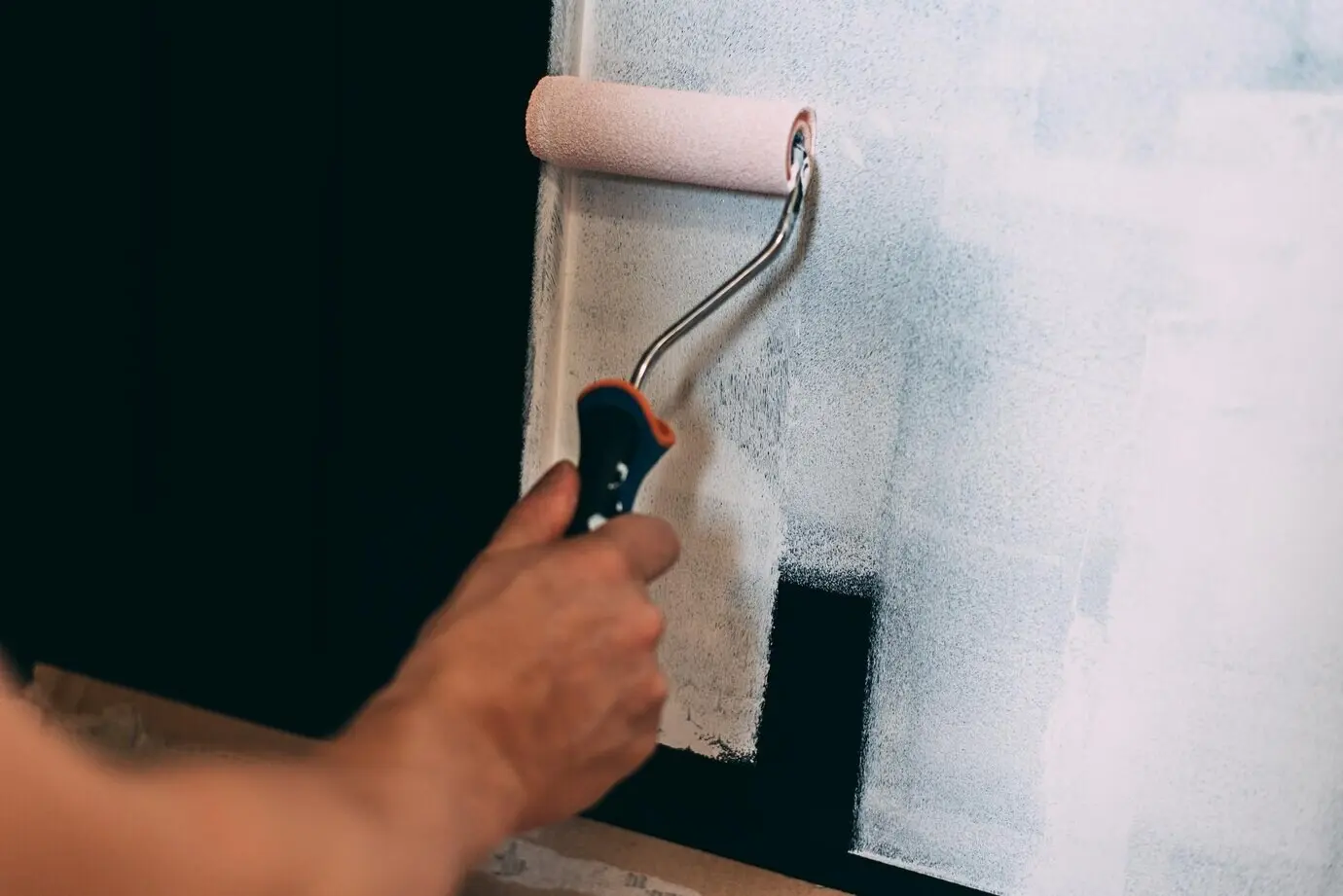


Weekend Ceiling Rescue: Stop the Drip, Save the Surface

Leaks never check the calendar, so here’s your calm, step-by-step weekend triage for water-damaged ceilings after a leak, focused on stabilizing safety, stopping the source, drying correctly, and preventing mold. You’ll learn field-tested moves, simple tools to gather fast, and practical decisions that protect structure, budget, and peace of mind until a full repair can happen.

Spot the Signs Before They Spread

Early evidence tells you where to start and what to save. Yellow halos, brown edges, hairline cracks, and subtle dimples betray lingering moisture long before soggy gypsum surrenders. With a flashlight, painter’s pole, and smartphone, you can safely map risk areas, note changes over hours, and avoid poking blindly where wiring, insulation, or trapped water could complicate an otherwise manageable, weekend-scale intervention.

Make It Safe: Power, Personal Protection, and Setup

Before any patching or probing, remove avoidable risks. Water conducts, drywall sheds, and ladders wobble under urgency. Cut power to affected circuits, clear the room, lay poly sheeting, and stage buckets, towels, and lights. This quick choreography protects you, your tools, and the remaining intact finishes while buying calm minutes for smarter choices.

Kill the Power, Not the Weekend

Trip the breaker to the damp zone, verify with a non-contact tester, and leave a note at the panel so no one flips it back. Extension cords from a safe circuit keep fans and lights running without creating a dangerous tangle around wet materials.

Containment That Actually Contains

Create a simple barrier using painter’s tape, plastic, and a zipper entry if you have one. Containment concentrates airflow, keeps dust off nearby rooms, and makes cleanup basic. It also gently reminds curious family members to steer clear until the ceiling is stable.

Ventilation Without Spreading Spores

Vent stale, humid air outward rather than into a hall. Crack a window near exhaust, run a fan pointing out, and close doors. This creates slight negative pressure, helping odors and moisture exit without pushing potential spores into the rest of the home.

Stop the Source Fast

Stability starts above the ceiling. Close supply valves, cap suspect lines, and empty overfilled pans before you even consider paint. On roofs, a temporary patch and proper tarping are lifesavers. The faster inflow ends, the fewer cuts, claims, and compromises your weekend will endure.

Chasing Hidden Plumbing Leaks

Shut off fixtures upstream, then restore water one valve at a time while watching the ceiling and meter. A stopped meter with closed taps suggests a fixture issue; movement implies a concealed pipe problem, demanding isolation, a compression cap, or an emergency plumber’s visit.
Emergency Roof Patches That Hold

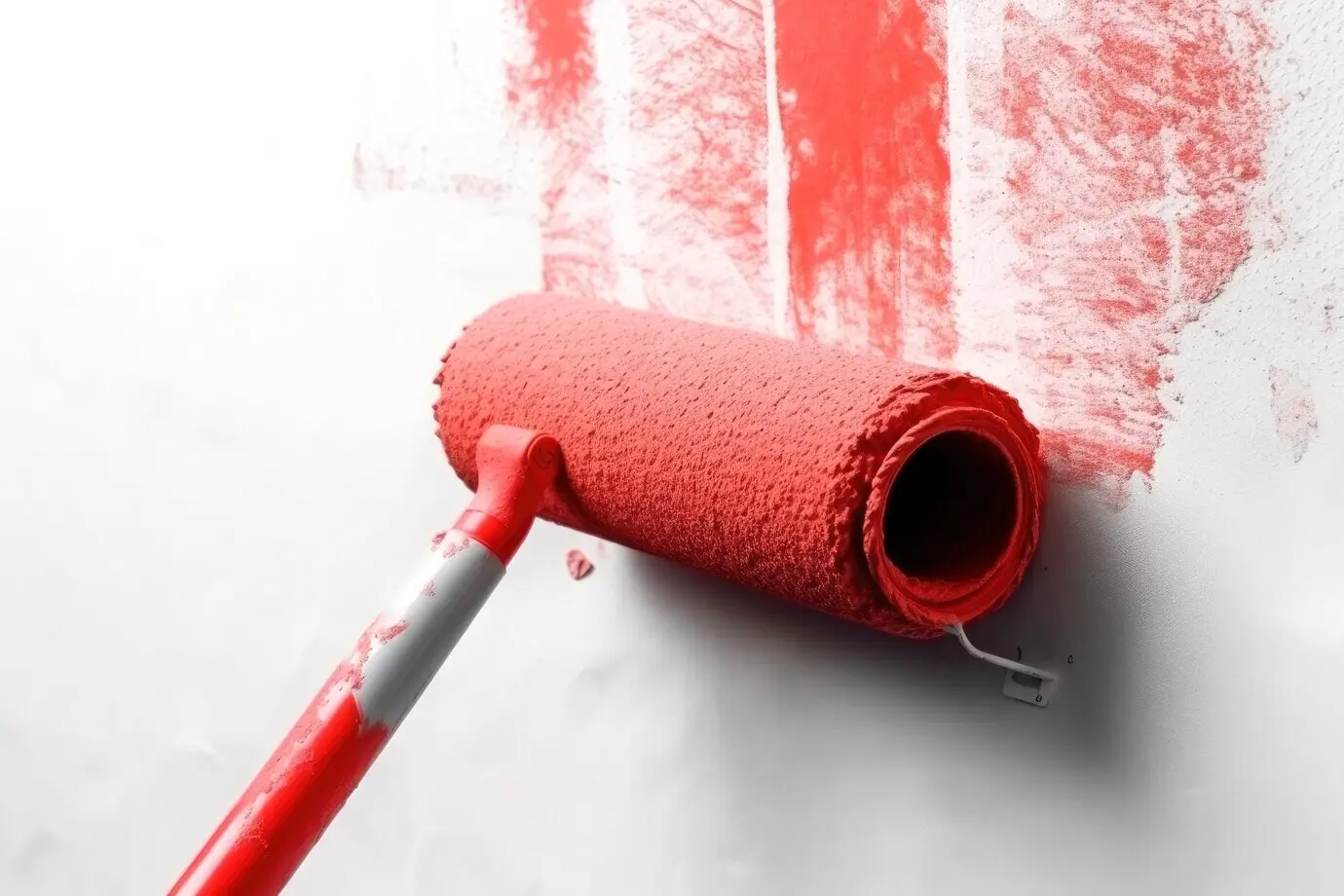
Clean the area, press aluminum-backed tape over the split, then butter with mastic before tarping from ridge to eave with sandbagged edges. It is not pretty, but it keeps fresh rain out until a roofer can match materials and warranty the fix.

Condensate and Appliance Culprits

Clogged AC drains, cracked pan corners, and loose fridge water lines masquerade as roof problems. Check traps, clear algae with a thin brush, and push tubing fully onto barbs. A few careful minutes here can stop hours of unnecessary ceiling surgery below.


Controlled Drain and Dry

Bulging drywall can hide liters of water. Relieve pressure through a planned drain hole at the lowest sag, catch runoff in a bucket, and protect floors with towels and plastic. Then shift to measured drying: dehumidifiers, angled fans, and steady monitoring prevent warping, mold, and costly, premature demolition.

The Small Hole That Saves a Ceiling

Pierce with a screwdriver or awl inside a plastic-lined funnel, never bare-handed beneath a bulge. Start tiny; expand if needed. Controlled drainage reduces weight immediately, minimizing tear-out while giving you visual confirmation about how much water remains and whether inflow has truly stopped.

Airflow Patterns That Work

Point fans across, not directly at, the wet surface to avoid driving moisture deeper. Create a C-shaped path that sweeps damp air toward a dehumidifier intake. Cross-check humidity hourly; under fifty percent is the weekend goal for slowing microbial growth decisively.

Know When Dry Is Actually Dry

Surface looks can deceive. Compare meter readings to a known-dry area and watch for steady decline over several hours. Cool-to-the-touch patches, fogged mirror tiles, or returning stains suggest hidden moisture reservoirs that need more airflow or strategic, minimal opening for access.

Triage the Materials

Not everything wet must go, but not everything wet can stay. Gypsum boards lose strength when the paper delaminates, plaster can crack later, and soggy insulation collapses. Making keep-or-remove calls quickly preserves salvageable areas, reduces mold risk, and sets the stage for efficient weekday repairs without spiraling costs.

Cleaning That Stops Colonies

Vacuum with a HEPA unit, then wipe non-porous areas using an EPA-registered disinfectant, following dwell times exactly. Avoid mixing chemicals. Skip bleach on porous surfaces; it fails to penetrate and can weaken fibers. A mild detergent and thorough drying often outperform harsher shortcuts, especially during weekend constraints.

Humidity Targets and Timers

Run dehumidifiers continuously to hold relative humidity below fifty percent, checking with a hygrometer you trust. Cycle fans so air moves but dust stays down. Timers help you remember adjustments during meals, errands, or sleep, keeping progress steady without burning yourself out.

Document Like an Adjuster

Shoot wide, medium, and close-ups with timestamps, then add a simple sketch noting joists, fixtures, and measurements. Save water meter readings and messages to contractors. Organized evidence proves diligence, supports coverage for temporary measures, and smooths conversations when adjusters ask hard, time-stamped questions later.

Scope a Smart Weekend-to-Week Plan

List what you stabilized, what remains risky, and who will handle what. Order materials Sunday night, schedule trades by priority, and block time for priming and paint to cure. Clear, written steps keep stress down and make weekday follow-through almost automatic.

Community Help and Follow-Up

Share your progress photos and questions with neighbors or online groups; someone nearby has solved the same ceiling surprise. Subscribe here for printable checklists, tool rundowns, and seasonal reminders, then reply with your best trick so next weekend’s reader feels less alone.
Fukupuxulixakumunolopa
Privacy Overview

This website uses cookies so that we can provide you with the best user experience possible. Cookie information is stored in your browser and performs functions such as recognising you when you return to our website and helping our team to understand which sections of the website you find most interesting and useful.